The short answer
A good filmed expert interview depends less on equipment than on preparation: the right speaker, a clear purpose for the film, questions that invite stories rather than facts, a quiet location with clean sound, and an edit that turns an hour of conversation into a few minutes people actually watch.
Charities, universities, unions, schools, law firms, museums and businesses in London all have people who know their subject better than anyone else. Putting those people on camera is one of the most effective ways to explain a complex idea, build trust or keep knowledge that would otherwise be lost. It is also easy to get wrong: a stiff speaker, an echoing meeting room and twenty minutes of unedited answers.
This guide covers how to plan filmed expert interviews in London so the result is clear, credible and worth watching.
Start With What the Film Is For
Before anyone books a camera, decide what the viewer should understand or do after watching. The same expert can be filmed for very different purposes:
- Explaining: a researcher, clinician or engineer making a difficult subject accessible.
- Persuading: a campaign or fundraising film where expertise gives the message authority.
- Teaching: training material for staff, members or students.
- Recording: an archive or legacy interview that preserves someone's knowledge and memories.
Each purpose changes the questions, the length and the style. A two-minute campaign film needs short, vivid answers. An archive interview can follow the speaker's memory for an hour or more.
Choosing the Right Expert
The most senior person is not always the best person on camera. Look for someone who explains things with examples, enjoys the subject and can speak to a general audience without jargon. A short phone call before the shoot tells you more than a CV.
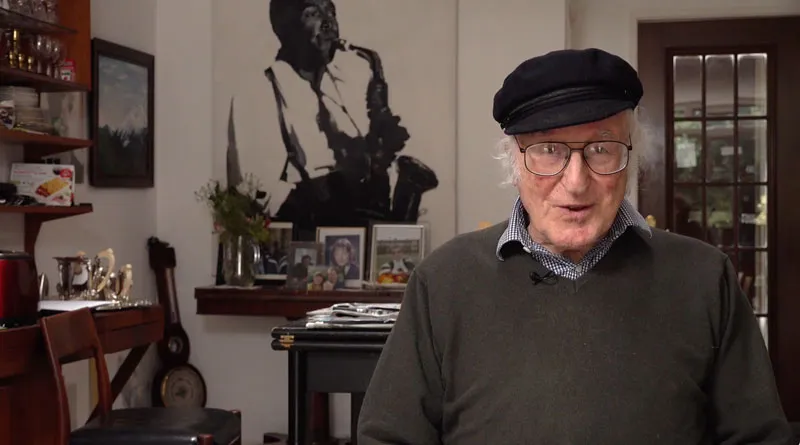
Steve Sklair's series Dave Lee's Jazz Tales works because jazz pianist Dave Lee is a natural storyteller: he tells the history of jazz, from New Orleans and Jelly Roll Morton to being a working musician in late-1950s Britain, through the people he knew and the moments he lived. Expertise becomes watchable when it arrives as stories.
Preparing Questions That Get Real Answers
Experts are used to presenting. On film, the aim is to get them out of presentation mode and into conversation.
- Ask for examples, not definitions. “Tell me about a time this changed someone's life” gives you more than “What is this programme?”
- Use open questions. Start with how, why, what happened, what surprised you.
- Ask the obvious question. Experts forget what the audience does not know. The simple question is often the one viewers need answered.
- Ask for complete sentences. The interviewer's voice is usually cut, so answers that restate the question stand on their own in the edit.
- Leave room for silence. The most honest part of an answer often comes after a pause.
We go deeper into this in documentary interview techniques for authentic stories.
Location, Light and Sound in London
London offers wonderful backgrounds and terrible acoustics. A glass-walled meeting room above a busy road looks modern and sounds like a train station.
- Sound first. Viewers forgive soft focus; they do not forgive bad audio. Choose a room away from traffic, air conditioning and building works, and use a proper microphone close to the speaker.
- A background that says something. A lab, a library, a classroom, a workshop or the expert's own study tells the viewer who this person is before they speak.
- Depth and space. Sitting the speaker away from the wall gives a more cinematic image and makes lighting easier.
- Permissions. Check access, parking and whether you need permission to film in a building or public space. Some London venues ask for notice and insurance details.
One Camera or Two?
| Setup | Works well for | Trade-off |
|---|---|---|
| One camera | Short films, intimate interviews, sensitive subjects, tighter budgets | Edits are covered with supporting footage rather than a second angle |
| Two cameras | Long interviews, many cut-downs, panel discussions, speakers who move | More equipment, set-up time and edit time |
| Interview plus supporting footage | Almost every film: the expert at work, the place, the people affected | Needs extra filming time, but makes the film far more engaging |
A small crew also changes how the expert behaves. Fewer people in the room usually means a more relaxed speaker. We explain why in when a small documentary crew is the right choice.
Putting the Expert at Ease
Most people are nervous on camera, including those who speak in public every week. A few habits make a big difference:
- Talk informally while the equipment is set up, so the camera is part of the room before the interview starts.
- Explain that mistakes do not matter and any answer can be tried again.
- Have the expert look at the interviewer, not into the lens, unless the film is designed as a direct address.
- Start with an easy question the speaker enjoys answering.
For the last four years Steve Sklair has been making videos about education with the National Education Union, filming in schools with people who are not professional presenters. Much of that work depends on the same skill: helping interviewees forget the camera and speak as they would to a colleague.
The Edit Is Where the Film Is Made
An hour of good conversation is raw material. The edit decides what the viewer sees: the clearest explanation, the most memorable story, the moment of emotion that makes a fact matter. Supporting footage, archive, photographs and simple graphics turn a talking head into a film.
Plan the deliverables before filming. A long website film, a short social cut and a few quote clips can all come from the same interview, but only if the questions were designed with those versions in mind. For more on how structure shapes meaning, see how documentary editing shapes a story.
What Affects the Cost
The main factors are the number of interviews and locations, crew size, whether supporting footage is filmed on another day, edit time, the number of versions and any music, archive or graphics. Our guide to what a documentary film costs in London explains how these decisions shape a budget.
Questions People Often Ask
How long does it take to film an expert interview?
Most single-speaker interviews need half a day on location: around an hour to set up camera, lights and sound, an hour or so of conversation, and time for supporting shots. Several interviews in one place can often be filmed in a single day.
Should the expert see the questions in advance?
Share the topics, not a script. Knowing the areas to be covered helps an expert feel prepared, while hearing the exact questions for the first time on camera keeps the answers fresh and conversational.
Is one camera enough for a filmed interview?
Often, yes. A single well-placed camera with good sound, plus supporting footage of the expert at work, makes a strong film. A second camera helps when the interview is long, when there will be many cut-downs, or when the speaker moves around.
How long should a finished expert interview video be?
That depends on where it will be shown. Social clips usually work at under a minute, website and campaign films at two to five minutes, and training or archive interviews can run much longer if the edit gives them shape.
Planning Your Expert Interview
Steve Sklair is a BAFTA-winning documentary filmmaker based in London who directs, films and edits interview-led documentaries for charities, schools, unions, cultural organisations and businesses. If you are planning filmed expert interviews, the documentary brief form covers the points that make a first conversation useful: who you want to film, what the film is for, where it will be shown and when you need it.
Last updated: