In short
Steve Sklair is a BAFTA-winning documentary filmmaker based in London who makes documentary-style films for businesses and organisations: films about a company, its people, its customers and its projects, built on filmed interviews and real moments rather than scripts and slogans. He has 40 years of experience with the BBC, Channel 4 and other UK broadcasters, and has worked on video projects for large and medium-sized companies. He directs, films and edits each film himself, recording sound himself or with a sound assistant when the shoot calls for one.
Most companies already have an advert. What they often lack is a film that people believe. A corporate documentary lets the people who do the work explain it in their own words: the founder who started the business, the team who solved a difficult problem, the customer whose day was changed by it. That is the kind of film Steve has made all his career, from the BBC's Video Diaries to feature-length portraits.
A Documentary, Not an Advert
A glossy advert tells the audience what to think. A documentary shows them and lets them decide, which is why it is usually more convincing. In practice that means:
- Real people, not presenters. Staff, leaders and customers speak in their own voice, without autocue.
- Specific stories, not slogans. In interviews Steve asks for one concrete example, such as a client you helped or a problem you solved, because that is what an audience remembers.
- Real places at work. The office, workshop, site or shop floor is filmed as it is, with a single filmmaker who does not stop the day.
- A story with a shape. Steve edits the film himself, so the interviews are built into a clear story rather than a sequence of statements.
Who This Is For
- Businesses of any size that want a film about who they are and how they work.
- Professional firms and organisations that need filmed interviews with their leaders, partners or experts.
- Brands that want a documentary about their people, their makers or their customers rather than another advert.
- Unions, cultural organisations and membership bodies with a story to tell about the people they represent or serve.
- Production companies and agencies that need a self-shooting director, camera operator or editor for a corporate project.
For charities, families and personal stories, see the main documentary filmmaker in London page. For schools and education organisations, see school film production.
Typical projects
- A company documentary about the business, its history or its founders.
- Staff stories: the people behind the work, in their own words.
- Customer or client stories filmed where the work actually happens.
- Filmed interviews with directors, leaders and senior staff.
- A project film that follows a piece of work from start to finish.
- A main film plus shorter cuts for the website, social media or internal communications.
How It Works
- First call. You explain what the film is for, who needs to see it and where it will be shown. Steve asks about the people involved, the deadline and the budget, and tells you honestly what approach fits.
- Story development. Before filming, Steve works out the story with you: who should speak, what they might say and what must be seen. Good preparation is what makes a short shoot possible.
- The shoot. Steve arrives with compact kit and films interviews and the work itself with a minimal footprint, so the business keeps running and people relax.
- The edit. Steve edits the film himself. You see a cut, give feedback and agree changes before anything is finalised.
- Delivery. The finished film is graded and delivered in the versions agreed at the start.
What's Included
- Direction: developing the story and directing the film from concept to completion.
- Camera: filming on compact professional cameras, including the Sony Z90 and Panasonic GH5, with drone footage from a DJI Mini 3 where the story needs it.
- Sound recording on location, by Steve himself or with a sound assistant when the shoot calls for one.
- Interviewing: preparing and conducting interviews with leaders, staff and customers.
- Editing in Final Cut Pro, including sound design.
- Colour grading and delivery of the final files.
If a project genuinely needs a bigger team, for example several crews or many deliverables on fixed launch dates, that is something to discuss at the start. Our guide to choosing between a production company or an independent filmmaker explains how that decision is made.
Pricing
Every project is quoted individually. The price depends on the number of filming days, locations, the length of the edit, any music or archive, and the versions you need. A useful quote is built from a clear production plan rather than a price per finished minute.
For a full explanation of what shapes a budget, read how much it costs to make a documentary in London. If you have a budget in mind, say so in the project brief: Steve can then suggest an approach that fits it.
Selected Work
Steve's corporate and organisational work sits alongside his broadcast documentaries. The films below show the same skills a company film needs: interviews that sound natural, real places and a clear story.
- Video projects for large and medium-sized companies, made over six years with Fardi Mohamed, Director of SYS Visual.
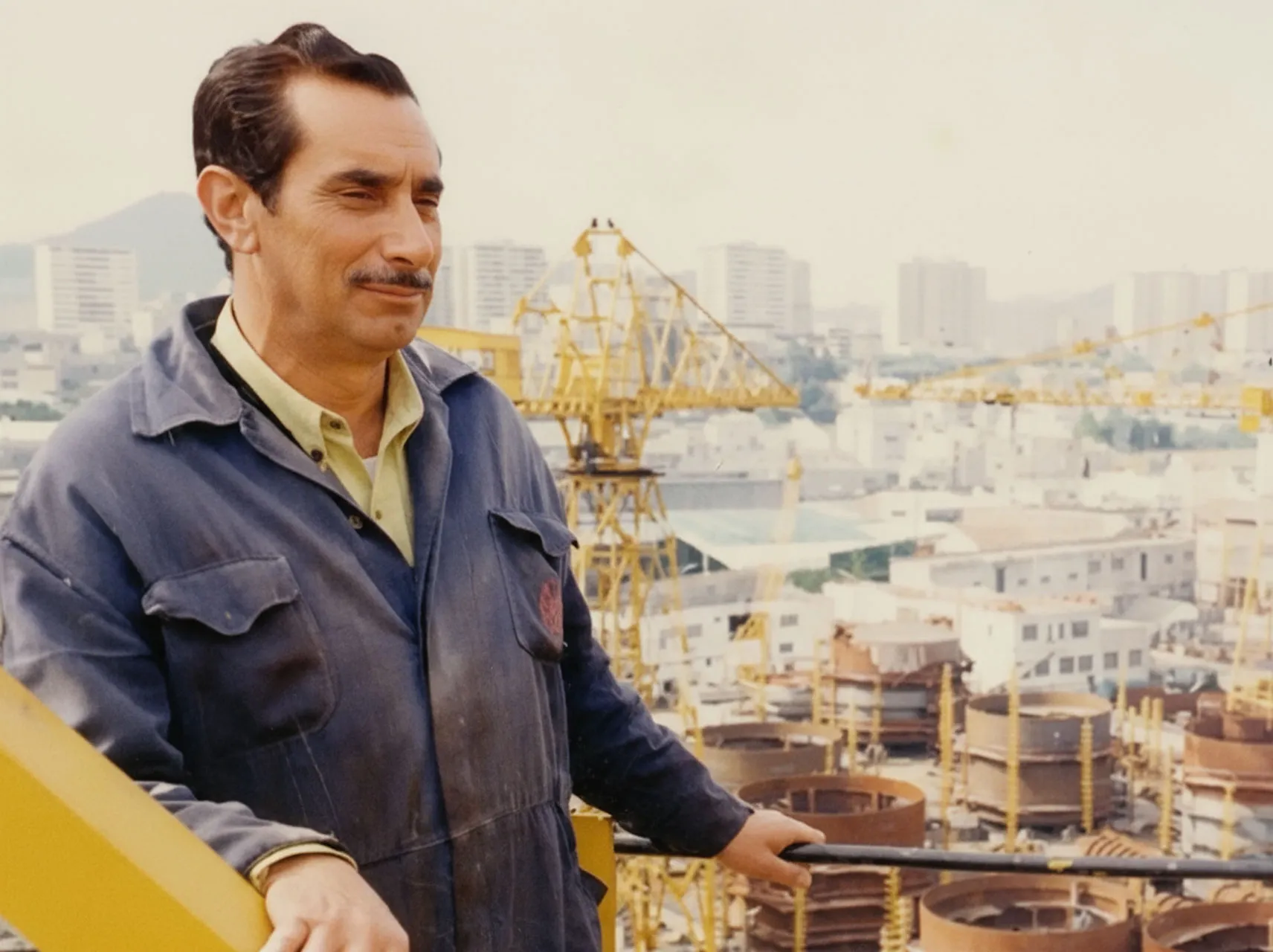
- A Worker of the 20th Century (TVG, 1998): the life story of Manuel Barros, a Galician shipyard worker during the Franco dictatorship, told through his own words.
- Nicolas Economou (2014): a feature-length portrait of the Cypriot pianist and composer, which Steve directed, wrote, shot and edited.
- Above All Compassion: The Story of XP School (2020): a three-year observational film about how one organisation's principles work in everyday practice.
- The Man Who Loves Gary Lineker (BBC Video Diaries, 1993): directed by Steve, it won the BAFTA for Best Single Documentary.
Watch the films on the films page, or read Steve's biography.
What people say
"I have worked with Steve for the past 6 years on multiple video projects for large and medium companies and he has been extremely reliable. Steve is a talented Videographer and Director with vast technical expertise."
"Steve was terrific at unraveling the complexity of a story. In addition to having a great sense of narrative he has a wealth of experience behind him."
More on the testimonials page.
Questions People Often Ask
What is a corporate documentary?
A corporate or brand documentary tells a real story about a company or organisation through the people involved: founders, staff, customers and the work itself. Instead of scripted lines and slogans, people speak in their own words and the camera shows what actually happens. It is usually more believable than an advert, and it lasts longer.
Can one filmmaker make a film about my company?
Yes, for most single-story projects. Steve directs, films and edits the film himself, recording sound himself or with a sound assistant when the shoot calls for one. A small presence keeps the office, workshop or site working normally, and staff tend to speak more openly to one person than to a crew. A multi-country campaign with many cut-downs is closer to what a production company is built for, and Steve will say so honestly.
Do you film interviews with directors and senior staff?
Yes. Filmed interviews are at the heart of most corporate documentaries. Steve prepares the questions with you, puts people at ease in front of the camera and pushes gently for specific examples rather than slogans, so the answers sound like real people talking.
How much does a corporate documentary cost?
There is no fixed price. Every project is quoted individually, based on the number of filming days, locations, the length of the edit, any music or archive and the versions you need, for example a main film plus shorter cuts for your website or social media.
Do you work outside London?
Steve is based in London, which keeps travel costs down for London shoots. He also films elsewhere: his work includes a three-year observational film at XP School in Doncaster, a documentary made in Galicia for TVG and Red Oil, filmed in Nigeria for Channel 4.
Further Reading
- Documentary production company or independent filmmaker? A London guide
- Filmed expert interviews in London
- Documentary interview questions: what to ask
- Documentary interview techniques for authentic stories
- When a small documentary crew is the right choice
- How much does it cost to make a documentary in London?