The short answer
A documentary editor in London turns hours of interviews, observed scenes and archive into a film with a clear story. When hiring one, look for someone who has shaped real documentaries rather than only cut promos, can show work similar to yours, asks what the film is for before talking about software, and is clear about the schedule from first assembly to final delivery.
Many documentaries are filmed well and then stall in the edit. There are forty hours of footage, three possible stories, an interview that runs to ninety minutes and a deadline that is closer than it looks. This is the moment an experienced documentary editor earns their place.
This guide is for charities, schools, cultural organisations, businesses, families and independent directors in London who have footage, or are about to film it, and need someone to make it into a documentary.
What a Documentary Editor Actually Does
A drama editor works from a script. A documentary editor usually works from possibilities. The story is often found in the material rather than written in advance, which is why documentary editing is closer to authorship than to assembly.
- Knowing the material: watching or transcribing every interview, logging scenes and noting the moments that carry real feeling.
- Finding the structure: deciding what the film is really about, where it begins and how information, character and emotion are ordered.
- Shaping interviews: turning long conversations into clear, truthful passages without changing what people meant.
- Building scenes: combining observed moments, archive, photographs, music and sound so the film shows as well as tells.
- Delivering: preparing the versions, captions and files needed for broadcast, festivals, websites or social media.
We look at the craft in more detail in how documentary editing shapes a story.
When to Bring an Editor In
The usual instinct is to film first and find an editor afterwards. On most projects it is better to talk to the editor before filming. An editor can tell you which interviews will be hard to cut, which supporting shots you will need and how much material is enough.
When the director also edits, that conversation happens naturally. Steve Sklair started his professional television work in editing before moving into production and camerawork, and he still directs, films and edits many of his own documentaries. Shooting with the edit in mind saves days later, because the shots that make a sequence work are filmed on purpose rather than hoped for.
If the footage already exists, an editor can still help: the first step is a review of what you have and an honest view of what kind of film it can become.
What to Prepare Before the Edit
A well-prepared start makes the edit faster and the conversations clearer.
- A one-paragraph purpose. Who will watch the film, where, and what you want them to understand or do afterwards.
- The footage, organised. Folders by day or location, with original camera files rather than compressed copies.
- Transcripts, if you have them. They make it much quicker to find the strongest passages in long interviews.
- Archive, photographs and music, with notes on who owns them and whether you have permission to use them.
- Release forms for the people who appear, especially in schools, care settings or other sensitive environments.
- The deliverables. The main film's length, plus any short versions, captions or formats you will need.
How a Documentary Edit Usually Runs
| Stage | What happens | What you do |
|---|---|---|
| Viewing and logging | The editor watches everything and marks strong moments | Share context: who people are, what matters to you |
| Assembly | A long first version that puts the best material in order | Watch for the story you recognise, not for polish |
| Rough cut | The structure takes shape and the film finds its length | Give feedback on story, accuracy and emphasis |
| Fine cut | Pacing, music, captions and graphics are refined | Check names, facts and permissions; approve the cut |
| Finishing | Sound mix, colour grade and delivery files | Confirm formats and versions for each platform |
The most useful feedback arrives at the rough cut stage. Changes to structure are easy then and expensive after the music and grade are in place.
Long Footage, Short Attention
The hardest documentaries to edit are often the most personal: diaries, family stories and observational films where nothing is scripted and hours of material contain a few minutes that matter.
Steve Sklair cut his teeth on the BBC's Video Diaries, where contributors filmed their own lives and most diaries ran to an hour or more. His film The Man Who Loves Gary Lineker, the diary of a rural doctor in Albania, won the BAFTA for Best Single Documentary. The particular skill that series demanded, keeping an audience interested and engaged across a long film made from unpredictable material, is the same skill a family history, a school documentary or a charity film needs today.
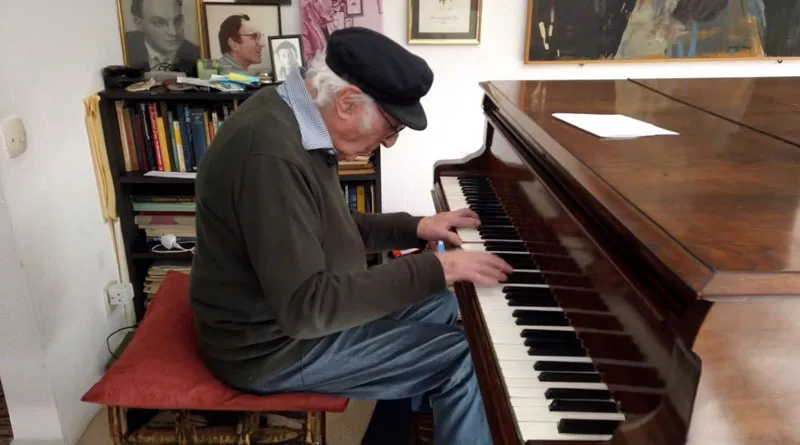
The same applies at feature length. Steve directed, wrote, shot and edited a 90-minute documentary about the Cypriot classical pianist Nicolas Economou, where the edit had to balance performance, memory and interviews across a full-length portrait.
Questions to Ask Before You Hire
- Can I see documentaries you have edited, not only showreels? A two-minute montage shows style; a full film shows whether the editor can hold a story.
- Have you worked with material like mine? Interviews, observational footage, multi-camera performance and archive each need different instincts.
- How do you handle feedback? Ask how many rounds of changes are included and at which stages.
- What do you need from me to start? A good editor will ask about purpose and audience before they ask about codecs.
- Who does the sound mix and colour grade? Some editors finish the film themselves; others bring in specialists.
- Which software do you use, and will I get the project files? Steve edits in Final Cut Pro; agree at the start what will be handed over at the end.
For a wider checklist that covers direction and camera as well as editing, see how to choose a documentary filmmaker in London.
Freelance Editor, Filmmaker or Production Company?
If you already have a director and footage, a freelance documentary editor may be all you need. If the film still has to be developed and shot, an independent filmmaker who directs, films and edits keeps the story in one pair of hands from first interview to final cut. A production company makes sense when the project needs a larger team, several crews or broadcast compliance. We compare the options in documentary production company or independent filmmaker?
What Affects the Cost of a Documentary Edit
The main factors are the amount of footage, the length of the finished film, the number of versions, the condition of the material, transcription, archive and music licensing, graphics, and whether the sound mix and grade are included. Our guide to what a documentary film costs in London explains how these decisions shape a budget.
Questions People Often Ask
How long does it take to edit a documentary?
It depends on the length of the film and the amount of footage. A short interview-led film of a few minutes can take several days. A half-hour documentary usually takes several weeks, and a feature-length film can take months, especially when the structure has to be discovered in the material.
Can a documentary editor work with footage someone else filmed?
Yes. Editors regularly work with footage shot by other crews, by contributors themselves or by organisations on their phones. It helps to send a sample first so the editor can check formats, sound quality and whether any extra filming or archive will be needed.
Does the editor need to be in London?
Not always, since footage can be shared online. But for many projects it helps to sit together for the key viewings, especially the first assembly and the rough cut, when the most important decisions about the story are made.
What is the difference between a rough cut and a fine cut?
A rough cut has the story structure in place but loose timing, temporary music and no final polish. A fine cut is the agreed version with tightened pacing, final music and captions, ready for the sound mix, colour grade and delivery.
Working With a Documentary Editor in London
Steve Sklair is a BAFTA-winning documentary filmmaker and editor based in London, with four decades of experience at the BBC, Channel 4 and other UK broadcasters. He edits the documentaries he directs and films, keeping the story in one pair of hands from the first interview to the final cut. If you are planning a documentary or have material waiting to become a film, the documentary brief form covers what makes a first conversation useful: what you have filmed, what the film is for, where it will be shown and when you need it.
Last updated: